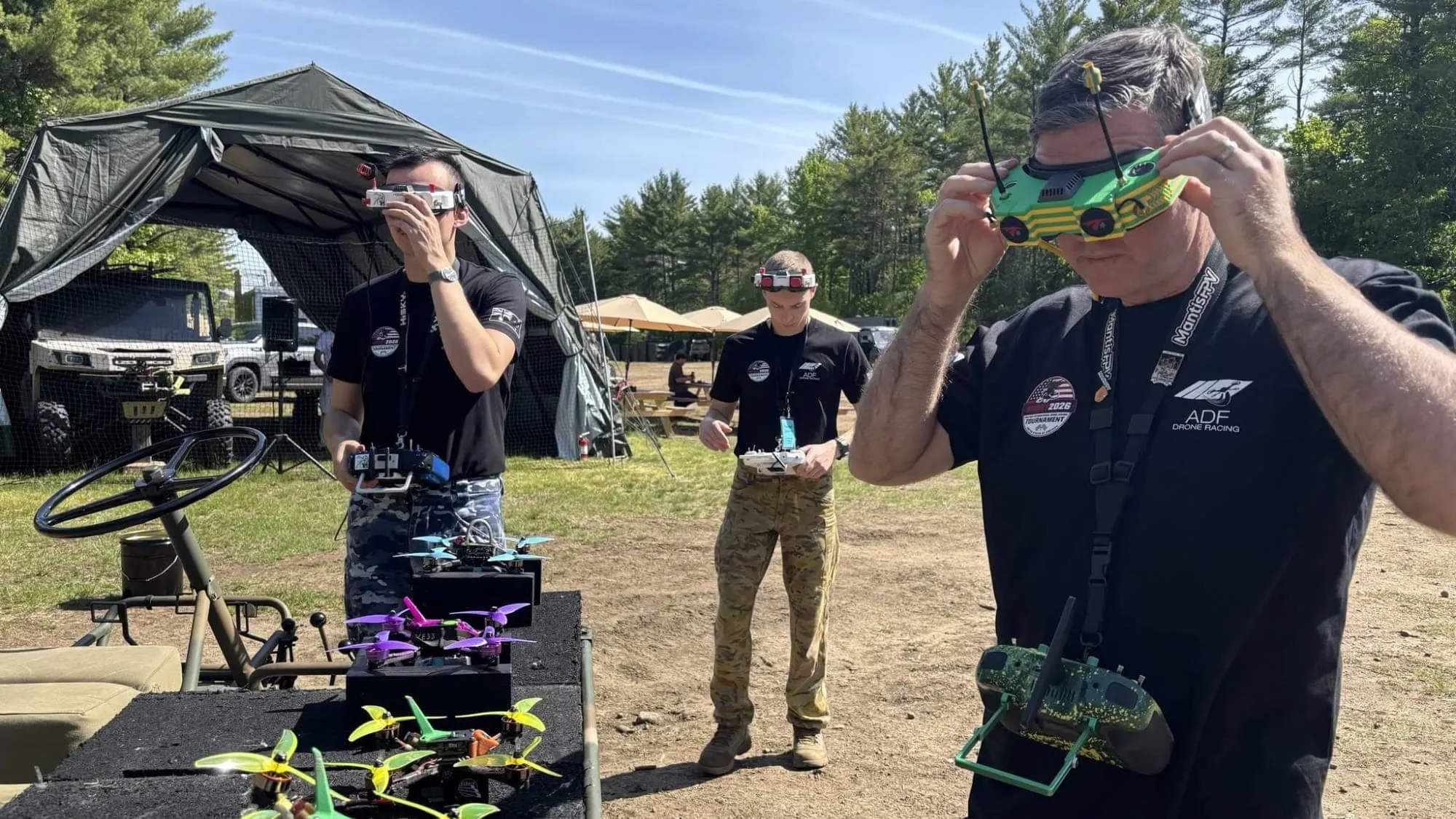
Australia has notched up a seventh straight win in a drone racing tournament, according to Australian Aviation, with the local team finishing first in the racing section ahead of the UK and the US. The report also notes that an Australian Army drone pilot set the fastest time in the drone racing series.
That is a neat detail, because this part of aviation often sits between sport, defence training, technology development and the broader unmanned aircraft world. Drone racing might look like a niche competition from the outside, but it keeps showing how quickly remote piloting skills are evolving.
Fast reactions, spatial awareness, planning and control discipline all matter when small aircraft are moving at speed through tight courses. Those are not the same conditions as conventional aviation, but the mindset still has aviation written all over it.
The aviation planning angle is simple: as drones become more capable and more common, safe access to airspace becomes more important. Whether it is a racing course, a training environment or a regional worksite, unmanned aircraft activity needs clear boundaries, sensible procedures and awareness of nearby aviation operations.
For business, FIFO and group-movement watchers, the interesting part is not that racing drones are about to replace aircraft. They are not.
Related context: Aircraft Charter FIFO
Source: Australia scores seventh straight win in drone racing tournament
Comments are closed