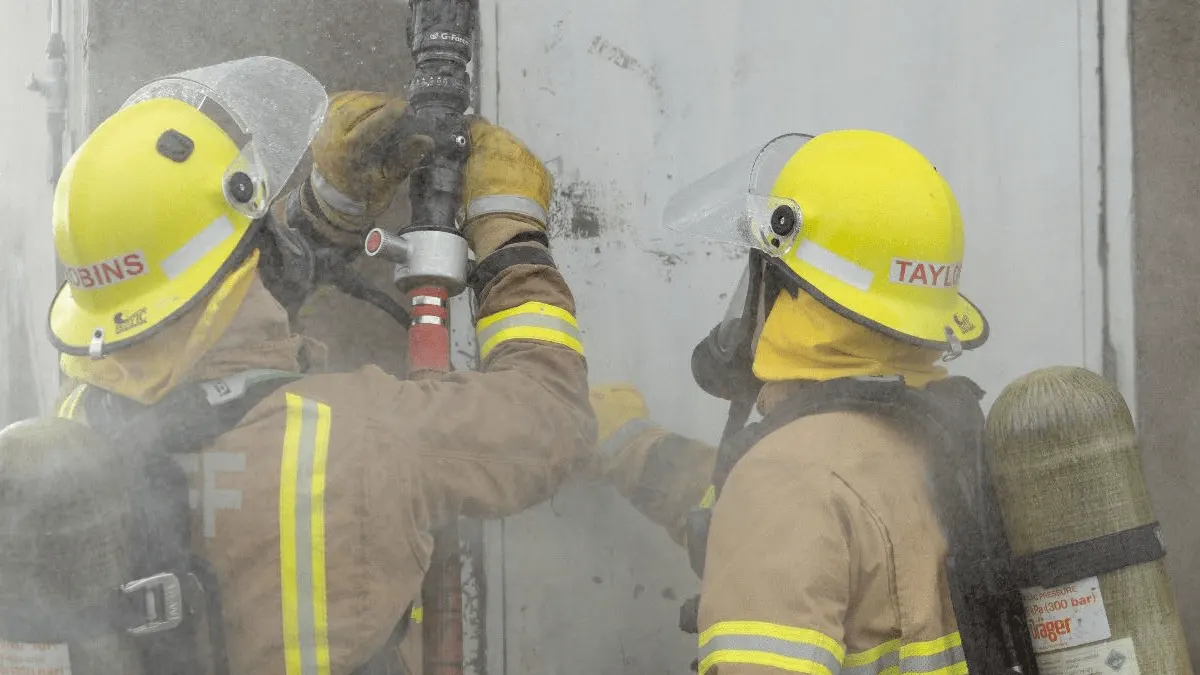
Airservices Australia has pushed back on claims that its proposed aviation rescue and firefighting changes could leave taxpayers with a large bill, according to Australian Aviation. The report says the United Firefighters Union of Australia Aviation Branch has pointed to analysis from the Centre of Full Employment and Equity, arguing the proposal would leave taxpayers “$135 million out of pocket” while delivering a worse safety outcome.
Airservices disputes that characterisation. The aviation angle here is straightforward: ARFF settings are not just an internal staffing or budget question.
They sit inside the wider airport access picture, especially when regional and secondary airports are trying to maintain reliable operations, attract airline activity, and keep infrastructure planning aligned with actual traffic levels. Any change to airport emergency response capability tends to draw close attention because it touches safety, confidence, and continuity.
Even when the disagreement is about modelling, cost assumptions or who pays, the practical issue for aviation is how the final framework supports safe and predictable access across the network. For regional aviation, the debate is worth watching because rescue and firefighting arrangements can influence how airports plan for growth, peaks, diversions and future route development.
The details will matter, and this looks like one of those policy disputes where the wording, the numbers and the operational assumptions all need careful reading. Background: related safety reading on aircraft-charter.com.au: operator safety standards.
Related context: Aircraft Charter
Source: Airservices disputes claims of $135m taxpayer bill for ARFF proposal
Comments are closed