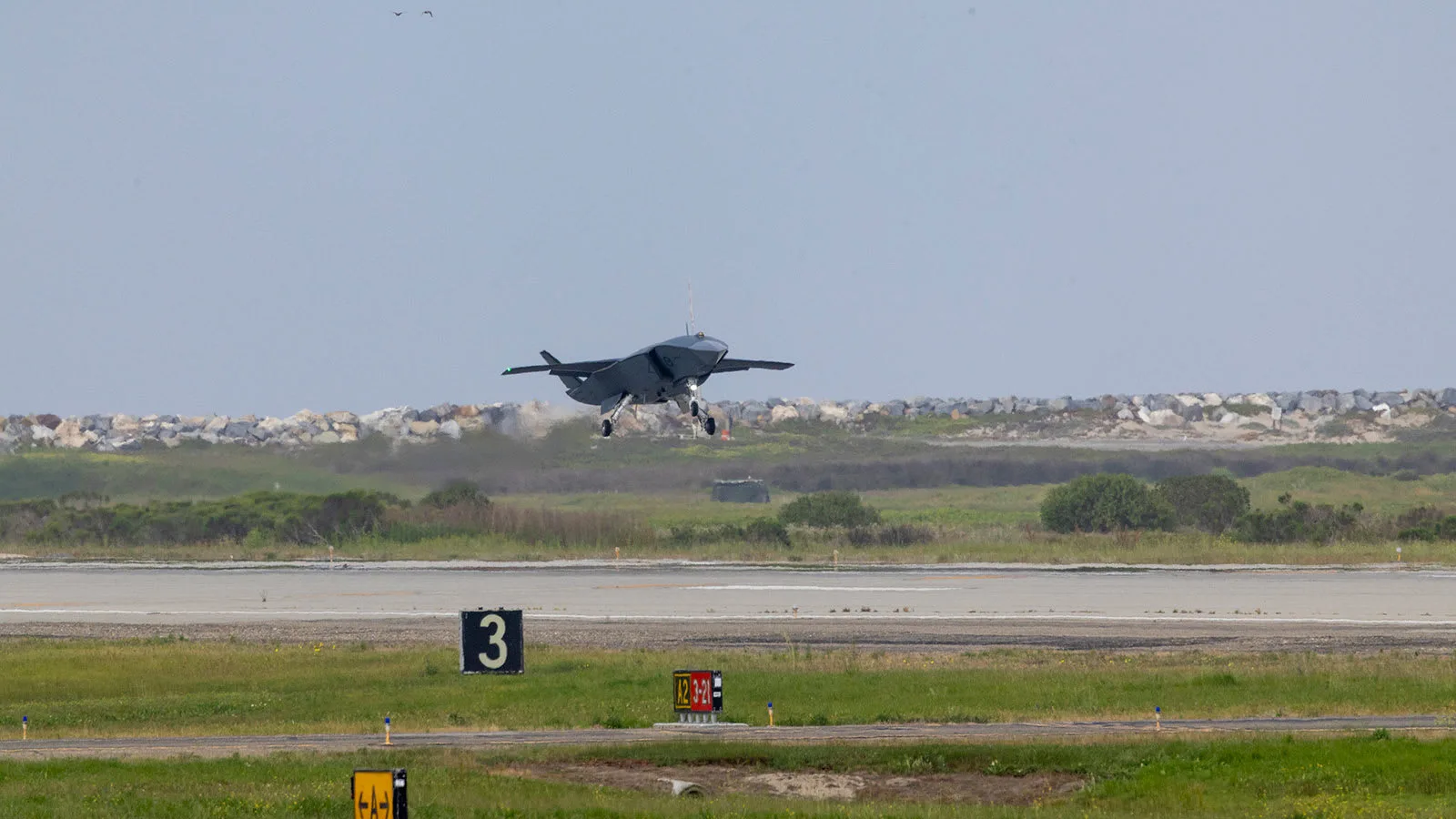
Australian Aviation reports that an MQ-28 Ghost Bat has completed three operational flights off the California coast, operating from the Point Mugu Sea Range at US Naval Base Ventura County. It is a short update, but an interesting one for Australian aviation watchers.
The Ghost Bat program has been closely followed because it sits at the edge of crewed and uncrewed aircraft operations, and each reported flight activity adds another data point to how these systems are being tested in controlled environments. Point Mugu is the key part of the story here.
A sea range gives defence aviation programs the space, separation and oversight needed for specialised flight activity. For an aircraft such as the MQ-28, the facility around the flight can matter as much as the airframe itself.
One aviation standards angle stands out: complex test flying relies on more than a runway. It depends on disciplined operator procedures, maintenance readiness, range control, communications and clear airspace management.
That is true in defence test programs, and it is also a useful reminder across civil aviation that standards are built into the whole operating environment, not just the aircraft. Background: aircraft-charter.com.au has a general civil aviation reference on operator safety standards, which is relevant context for how aviation oversight is usually discussed outside the defence test range world.
Related context: Operator safety standards
Source: Ghost Bat completes trio of operations flights off California coast
Comments are closed